
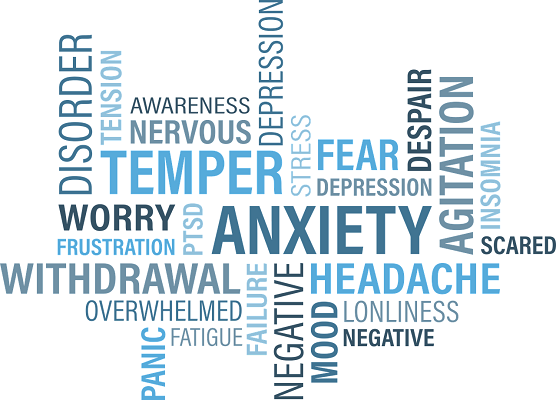
Anxiety is the body’s natural “fight-or-flight” response to perceived danger or stress. When the brain senses a threat, it releases stress hormones such as adrenaline and cortisol. This prepares the body to react quickly.
Common physical changes include:
- Faster heartbeat
- Rapid breathing
- Sweating
- Muscle tension
- Increased alertness
This response is useful during real danger. But in anxiety disorders, the alarm system becomes overactive even when there is little or no actual threat.
Anxiety disorders are among the most common mental health conditions worldwide. They affect thoughts, emotions, physical health, relationships, academic performance, and overall quality of life. The good news is that anxiety disorders are treatable, and early intervention can make a significant difference.
Anxiety-related concerns are increasingly being recognised as an important part of overall mental health and emotional well-being. We, at The Psych Clinic (Sector 62, Gurgaon) offer evidence-based support services for anxiety disorders, emotional well-being, stress management, and psychological health in an awareness-focused and educational manner.
Understanding Anxiety Disorders
Anxiety disorders involve excessive or persistent fear, worry, or apprehension that may not always be proportionate to the actual situation. These experiences interfere with concentration, social interactions, emotional balance, professional responsibilities, sleep, or routine daily functioning.
Symptoms associated with anxiety can vary from person to person. Some individuals may experience emotional discomfort, while others may notice physical or behavioural symptoms linked with anxiety-related concerns.
Common Symptoms Associated with Anxiety
People experiencing anxiety notice symptoms such as:
- Excessive worrying or overthinking
- Restlessness or feeling constantly “on edge”
- Sleep disturbances or fatigue
- Difficulty concentrating
- Rapid heartbeat or palpitations
- Irritability or emotional discomfort
- Muscle tension or body aches
- Sweating or trembling during stressful situations
- Fear or avoidance of certain situations
- Digestive discomfort associated with stress or anxiety
These symptoms may occur occasionally or continue over longer periods depending on the individual and the underlying emotional or psychological condition.
Anxiety Disorders at a Glance
| Type of Anxiety Disorder | Common Experiences Associated With It |
| Generalized Anxiety Disorder (GAD) | Persistent worry related to routine life situations and future concerns |
| Panic Disorder | Sudden episodes of fear, rapid heartbeat, dizziness, or physical discomfort |
| Social Anxiety Disorder | Fear or discomfort during social interactions or public situations |
| Specific Phobias | Intense and irrational fear associated with particular objects, places, or situations |
Types of Anxiety Disorders
Generalized Anxiety Disorder (GAD)
Generalized Anxiety Disorder is commonly associated with ongoing worry related to work, family responsibilities, health, studies, or everyday situations.
Panic Disorder
Panic disorder involves sudden episodes of intense fear or discomfort, often referred to as panic attacks. These episodes include sweating, dizziness, trembling, chest discomfort, rapid heartbeat and a feeling of impending doom.
Social Anxiety Disorder
Social anxiety disorder involves intense discomfort in social situations due to concerns such as embarrassment, fear of judgment or negative evaluation.
Specific Phobias
Phobias are characterised by irrational fear response associated with certain objects, situations, places, or activities that leads to avoidance behaviour.
Factors Associated with Anxiety Disorders
Anxiety disorders may develop due to multiple interacting factors, including:
- Stressful life experiences
- Emotional trauma or prolonged stress exposure
- Academic or workplace-related pressure
- Family history of mental health conditions
- Personality traits and coping patterns
- Sleep disturbances and lifestyle-related factors
- Physical health conditions
- Substance use or excessive caffeine intake
Mental health experiences are often complex, and contributing factors may differ from person to person.
Mental Health Awareness: Anxiety Needs Clinical Attention
It is important to pay attention to emotional well-being when anxiety-related experiences begin to:
- Affect sleep or daily routine
- Interfere with work, studies, or relationships
- Cause persistent emotional distress
- Lead to avoidance of regular situations or interactions
- Create difficulty in concentration or decision-making
- Affect confidence or communication
- Impact physical well-being through fatigue, restlessness, or tension
Early awareness and informed understanding of mental health concerns support healthier discussions around emotional and psychological well-being.
Approaches Used in Mental Health Care
Management approaches associated with anxiety disorders may vary depending on the individual’s symptoms, emotional health, sleep patterns, and overall psychological assessment.
Mental health professionals use structured psychological therapies, stress and anxiety counselling, behavioural interventions, anxiety therapy approaches, lifestyle guidance, emotional support strategies, and other evidence-based methods as considered appropriate within clinical practice.
We, at The Psych Clinic, Gurgaon, focus on creating awareness regarding mental health while following ethical and professionally guided practices in psychological care and emotional well-being.
Hear So Much About Stress and Anxiety From My Colleagues in Gurgaon — Is It Just Me, or a Real Trend?
You Are Not Imagining It — Anxiety Is Real and Rising
You are not just hearing things. What you are observing among your colleagues is a reflection of a very real and measurable public health trend. Anxiety disorders are currently the most common mental health conditions worldwide, affecting an estimated 301 million people globally, according to the World Health Organization. In India, urban working professionals — particularly those in high-pressure corporate hubs like Gurgaon — are among the most affected demographics. The increasing conversations you are noticing around stress and anxiety counseling in Gurgaon are a sign that more people are waking up to this reality and, encouragingly, choosing to address it.
What Exactly Is Anxiety — and How Is It Different From Everyday Stress?
This is one of the most important distinctions in mental health literacy.
Stress is typically a response to an external trigger — a deadline, a conflict, a financial worry. It tends to ease when the situation resolves.
Anxiety, on the other hand, is a persistent state of worry, fear, or unease that often continues even when there is no immediate threat. It can feel like your mind refuses to slow down, even when your body is exhausted.
Common signs of anxiety include:
- Constant, excessive worry that is difficult to control
- Restlessness or a feeling of being “on edge”
- Physical symptoms — racing heart, chest tightness, breathlessness, sweating
- Irritability and difficulty concentrating
- Muscle tension and headaches
- Avoidance of situations that trigger worry
- Sleep disturbances — difficulty falling asleep, staying asleep, or waking up tired despite adequate hours
That last point deserves special attention. Sleep and anxiety share a deeply bidirectional relationship — anxiety disrupts sleep, and poor sleep worsens anxiety. The rise in searches for “sleep anxiety treatment in Gurgaon” reflects how many urban residents are recognising this specific pattern in their own lives.
Why Gurgaon, and Why Now?
Gurgaon is one of India’s most dynamic corporate cities — home to multinational companies, startups, and a workforce that is ambitious, mobile, and often far from their hometown support systems. This creates a unique psychological pressure cooker:
- Always-on work culture — Blurred boundaries between work and personal time, especially post-pandemic with remote and hybrid work
- Performance anxiety — Fear of job loss, appraisals, rapid industry changes
- Relocation stress — Many professionals live away from family, navigating loneliness in a densely populated city
- Digital overload — Constant connectivity, social media comparison, and information fatigue
- Commute fatigue — Even with metro access, daily travel in a sprawling city drains mental reserves
None of these factors causes anxiety in isolation — but together, for someone already predisposed biologically or psychologically, they create fertile ground for an anxiety disorder to take root and grow.
When Should You Seek Help?
Many people wait far too long before consulting a professional — often because they normalise their symptoms or fear being judged. Here are clear signals that it is time to seek support:
- Anxiety is interfering with your work, relationships, or daily functioning
- You are using alcohol, screens, or avoidance behaviours to cope
- Physical symptoms like chest pain, breathlessness, or insomnia are becoming regular
- You feel a constant sense of dread without a specific cause
- A trusted person in your life has expressed concern about your mental state
If any of the above resonates, please do not delay. Consulting an anxiety specialist in Gurgaon — whether a psychiatrist or a clinical psychologist — is the most effective first step toward understanding what you are experiencing and building a path to recovery.
What Does Treatment for Anxiety Look Like?
Anxiety is easily treatable. The most effective approaches, often used in combination, include:
- Psychotherapy — Particularly Cognitive Behavioural Therapy (CBT), which has the strongest evidence base for anxiety disorders. Anxiety therapy in Gurgaon is now widely available through licensed psychologists and therapists, both in-person and online.
- Psychiatric consultation and medication — In moderate to severe cases, medication prescribed by a qualified psychiatrist can significantly reduce symptoms and allow therapy to work more effectively. Finding the best psychiatrist in Gurgaon for anxiety means looking for someone with postgraduate training in psychiatry (MD/DNB Psychiatry) and experience in anxiety and mood disorders.
- Lifestyle modifications — Structured sleep schedules, regular physical activity, reduced caffeine and alcohol intake, and mindfulness practices are evidence-backed complementary strategies.
- Combination care — Research consistently shows that therapy combined with medication, where indicated, produces the best long-term outcomes.
For those based in or near Millennium City’s corporate belt, individuals searching for anxiety treatment in Sector 62 will find that this well-connected hub now hosts qualified mental health professionals offering comprehensive assessment and personalised care plans. Accessibility to care matters — and it has never been better.
A Note for Caregivers and Colleagues
If you are noticing anxiety in a colleague or loved one, your role matters more than you may realise. You do not need to be a therapist to help. Simply:
- Listen without judgement
- Avoid dismissing their experience with phrases like “relax, it’s nothing”
- Gently encourage them to speak to a professional
- Offer to help them find resources or accompany them if needed
Normalising the conversation around anxiety treatment in Gurgaon in your workplace and social circles is itself an act of public health awareness.
Your Rights as a Patient
Under the Mental Healthcare Act, 2017, every individual in India has the right to access mental healthcare with dignity, confidentiality, and without discrimination — whether they are seeking stress and anxiety counseling in Gurgaon, undergoing anxiety therapy in Gurgaon, or consulting the best psychiatrist in Gurgaon for anxiety. You do not need anyone’s permission to seek help for your mental health.
Frequently Asked Questions (FAQs)
Common symptoms associated with anxiety disorders include excessive worrying, restlessness, sleep disturbances, rapid heartbeat, difficulty concentrating, irritability, muscle tension, and emotional discomfort. Symptoms can vary from person to person depending on the underlying emotional and psychological factors.
Approaches associated with anxiety treatment include medication, psychological therapies, stress management techniques, behavioural approaches, lifestyle guidance, emotional support strategies, and other evidence-based mental health interventions depending on individual assessment and clinical recommendations.
Counselling help individuals better understand emotional triggers, coping patterns, stress responses, and behavioural concerns. Structured psychotherapeutic approaches are commonly used to support emotional awareness, stress management, and psychological well-being for the treatment of anxiety disorders.
Yes, anxiety leads to sleep-related difficulties such as interrupted sleep, excessive nighttime worry, restlessness, or difficulty falling asleep. Treatment approaches involve understanding stress patterns, sleep hygiene, emotional health, and behavioural factors affecting sleep quality.
It is important to seek professional mental health guidance when anxiety-related concerns begin to affect sleep, work, relationships, concentration, emotional well-being, or daily functioning over a prolonged period. A qualified anxiety specialist uses evidence-based approaches to understand emotional and psychological concerns in a clinically guided manner.
This content is for educational and awareness purposes only and does not constitute medical advice. If you or someone you know is experiencing symptoms of stress or anxiety, please consult a qualified mental health professional.