
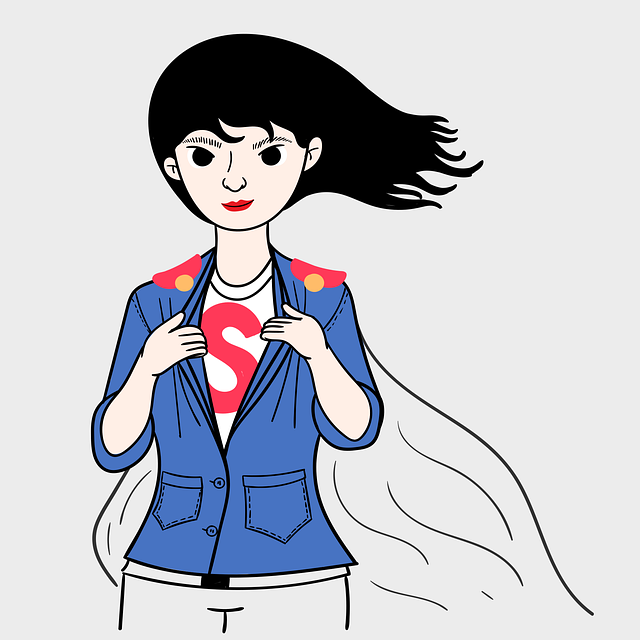
In clinical practice, one increasingly encounters women who appear, on the surface, to be “doing it all”, managing demanding careers, caring for children and families, sustaining relationships, and trying to preserve some space for themselves. They are often referred as “strong” or “superwomen.”
Yet, behind this narrative of strength, there is often quiet chronic fatigue.
The idea of the “superwoman” has become deeply embedded in modern culture. While it may seem aspirational, it can inadvertently set an unrealistic and, at times, psychologically burdensome standard. When we look beyond the narrative and into the data, a more nuanced picture emerges.
Globally, women continue to shoulder a disproportionate share of unpaid care work, about 76% of the total, spending over three times as many hours as men on domestic responsibilities. In India, women spend close to 289 minutes per day on unpaid domestic work compared to 88 minutes by men. When paid and unpaid work are combined, women often end up working longer hours overall, reflecting what has been termed the “second shift.”
These numbers are not just economic indicators, they translate into lived experiences of time scarcity, role overload, and chronic mental load. Many women report feeling as though they are constantly “switching roles” without adequate recovery time.
From a mental health standpoint, this has important implications.
The expectation to perform multiple roles efficiently and often flawlessly, can contribute to persistent stress, feelings of inadequacy, and burnout. What is particularly striking in therapy settings is not just the presence of stress, but the accompanying self-criticism. Many women internalize the belief that if they are struggling, they are somehow “not managing well enough,” rather than recognizing the sheer volume of responsibilities they are carrying.
This is where the myth becomes problematic.
By idealizing the ability to “do it all,” the superwoman narrative subtly shifts the focus from structural realities to individual capacity. It can make systemic challenges such as unequal division of household labour, limited support systems, and workplace inflexibility feel like personal shortcomings rather than shared societal issues.
Even among highly educated and professionally accomplished women, this pattern persists. Success in one domain does not necessarily reduce expectations in another. Instead, it often adds to the cumulative load.
Importantly, the emotional labour involved in remembering, planning, anticipating needs, maintaining relationships is rarely acknowledged, yet it occupies significant cognitive and emotional space. Over time, this can contribute to decision fatigue, irritability, and a diminished sense of personal well-being.
As it stands out, it has become essential for all of us to gently reframe this narrative.
Rather than asking how one can become a “superwoman,” a more helpful question may be: What does a sustainable and emotionally healthy life look like? This involves recognizing limits, redistributing responsibilities where possible, and allowing space for rest without guilt.
It also involves validating the fact that needing support is not a weakness but a human requirement.
At a broader level, there is a need to move toward ecosystems both at home and in workplaces that support shared responsibility and realistic expectations. Small shifts, such as equitable division of domestic work and greater acceptance of flexible roles, can have meaningful psychological benefits.
The goal, ultimately, is not to dismantle strength, but to redefine it. Strength need not mean doing everything alone, or doing everything perfectly. It can also mean setting boundaries, seeking support, and prioritizing well-being.
In that sense, perhaps it is time to move away from the idea of the “superwoman,” and toward a more compassionate, sustainable understanding of what it means to live healthy, happy and content.
When I am asked how do you manage it all doc? I respond with a smile and say – I juggle and sometimes succeed. And sometimes I fail. I do it with pleasure often times and sometimes I complain. I have learnt to take breaks so that I rest and don’t quit. I ask for support when I feel inadequate. I don’t like hearing NO, nonetheless I absorb it sometimes with grace and sometimes with a sulk. There are days when I am on top of my things, and days when I am dumped under them. Some moments I feel like a queen and celebrate the splendor. At other instances, I feel like a tired soul and decide to sleep over it. I get up again, accomplish a few more tasks, delay some and let go of others.
Am I a superwoman – A BIG NO!
Am I privileged – May be!
Do I work hard every day to multitask– AN EMPHATIC YES!
Wishing you the best of mental health today and always!
Dr Apala A Tuteja
MD Psychiatry