
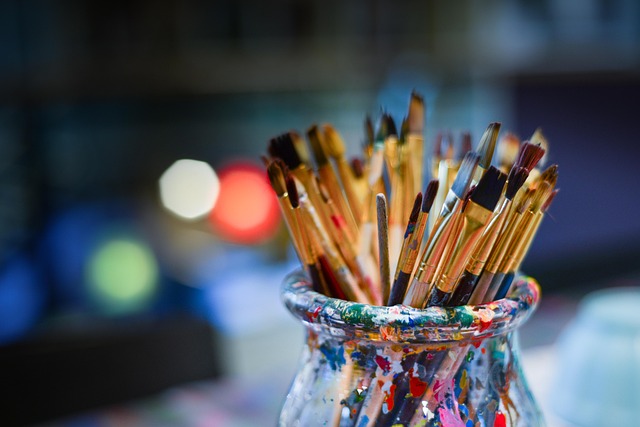
In the transition from adolescence to adulthood, hobbies are often the first casualties of responsibility. Careers, relationships, parenting, and social expectations gradually replace painting, music, sports, writing, or any activity done purely for joy. As a psychiatrist, I see this shift not as a harmless lifestyle change but as a subtle risk factor for declining mental well-being.
As it stands out, hobbies are not luxuries. They are neurobiological necessities.
Large-scale population studies consistently demonstrate the protective role of hobbies in mental health. A landmark 2023 multi-country study involving over 93,000 adults across 16 countries found that individuals engaging in hobbies reported:
Lower depressive symptoms
Higher life satisfaction
Better overall health and happiness
Similarly, data suggests that people who regularly engage in creative hobbies are significantly more likely to report excellent mental health, with up to 71% of such individuals participating frequently in creative activities. Far more compelling evidence has been found between engagement in hobbies and reduced risk of developing depression; also improved recovery trajectories in those already affected.
Let us have a look at the neurobiology of hobbies as natural antidepressants
At the core of this discussion lies the brain’s reward circuitry particularly the role of the following bioamines:
Dopamine manages motivation, reward and pleasure
Serotonin is required for mood regulation and emotional stability
Endorphins have a role in stress relief and pain modulation
Norepinephrine impacts alertness and energy
Engaging in hobbies stimulates these neurochemical systems in a way remarkably similar to pharmacological antidepressants, but without side effects.
1. Dopamine and the Reward Pathway
Hobbies especially those involving novelty or skill-building activate dopaminergic pathways. Learning a new song, completing a painting, or mastering a tennis serve creates reward prediction and reinforcement, increasing dopamine release. This is crucial because low dopamine states are linked with apathy, anhedonia and reduced motivation. In clinical depression, patients often report, “Nothing feels enjoyable anymore.” Regular engagement in hobbies directly counteracts this by reactivating the reward circuitry.
2. Serotonin and Emotional Regulation
Relaxing and mindful hobbies such as gardening, knitting, music, reading help regulate serotonin levels, promoting emotional stability, reduced anxiety and improved sleep. These activities also reduce cortisol, indirectly enhancing serotonin tone in the body.
3. Neuroplasticity and Cognitive Reserve
Hobbies are powerful drivers of neuroplasticity, which is defined as the brain’s ability to form new connections. Research shows that:
Learning new skills strengthens synaptic pathways
Mentally stimulating hobbies improve memory and processing speed
Multiple hobbies correlate with lower dementia risk
From a psychiatric lens, this builds cognitive reserve, which protects against both neurodegenerative and mood disorders.
Hobbies also act as a buffer against stress. Modern adulthood is characterized by chronic stress, digital overload, and a blurred boundary between work and personal life. Hobbies act as a psychological counterbalance. It was found that 46% of adults report engaging in creative hobbies specifically to relieve stress and anxiety. Hobbies lower cortisol, heart rate, and perceived stress levels. They also provide a flow state, which is typically defined asa deeply immersive experience associated with reduced rumination. Many psychiatric conditions from generalized anxiety disorder to burnout are fueled by uninterrupted cognitive load. Hobbies interrupt this loop.
The Psychological Triad: Mastery, Meaning, and Identity
Beyond neurochemistry, hobbies fulfill three essential psychological needs:
1. Mastery or the sense of accomplishment
Unlike professional goals, hobbies offer low-stakes achievement. Completing a sketch, finishing a book, or improving in a sport generates a sense of competence, which is often eroded in depression.
2. Meaning and Purpose
Hobbies reconnect individuals with intrinsic motivation doing something for its own sake. This is particularly therapeutic in individuals experiencing existential distress or burnout.
3. Identity Beyond Productivity
In adulthood, identity often becomes synonymous with profession:
“I am a doctor, a manager, a parent.”
Hobbies reintroduce:
“I am also a musician, a runner, a writer.”
This diversification of identity acts as a protective factor against psychological collapse during life stressors (e.g., job loss, retirement, empty nest).
Hobbies and Social Connection
Social isolation is a growing epidemic, especially in urban adult populations. Many hobbies such as team sports, book clubs, dance, volunteering create structured social interaction. Evidence shows that social hobbies reduce loneliness, improve emotional resilience and decrease the risk of depression and anxiety. We can confidently decipher that hobbies often function as informal group therapy spaces.
What Happens When Adults Abandon Hobbies?
Clinically, the absence of hobbies often correlates with, increased screen dependency, emotional blunting, reduced stress tolerance and burnout and identity diffusion. Patients frequently say: “I don’t know what I enjoy anymore.” This is not just a lifestyle issue. It is a neuropsychological deconditioning of pleasure pathways.
We prescribe hobbies in the clinical prescriptions
As a psychiatrist, I adopt a behavioral activation model, where patients are encouraged to reintroduce pleasurable and meaningful activities in their daily routine. Key principles for pursuing hobbies:
Start small (10 minutes/day gradually taking upto 4 hours/week)
Focus on process, not performance
Prefer active over passive leisure (creation vs consumption)
Include at least one creative hobby, one physical hobby and one social hobby
As a conclusion, please note that hobbies are not just time fillers, they are biological regulators, psychological stabilizers, and social connectors. They enhance dopamine and serotonin, reduce stress hormones, build cognitive resilience and provide meaning and identity. In many ways, they function as natural antidepressants. As adults, the question is not “Do I have time for hobbies?” The real question is: “Can I afford not to have them?”
Wishing you the best of mental health today and always!
Dr Apala A Tuteja
MD Psychiatry